
ATF NFA Update: What Changes for Suppressors and SBRs
Posted by Thomas on Oct 10th 2026
The short version:
- Starting October 9, 2026, the ATF no longer requires its approval to make or transfer suppressors, short-barreled rifles (SBRs), short-barreled shotguns (SBSs) and "any other weapons" (AOWs).
- These items also no longer have to be registered with the ATF.
- Machine guns and destructive devices are not affected. All of their rules still apply.
- Background checks and the Form 4473 still apply. So do state and local laws.
What the ATF announced
On October 9, 2026, the ATF published an open letter to gun dealers and the public. It says the agency no longer requires approval under the National Firearms Act (NFA) to make or transfer suppressors, SBRs, SBSs and "any other weapons." It also no longer requires these items to be registered in the national NFA registry.
Why this happened
Congress cut the NFA making and transfer tax to $0 for these items in 2025. In August 2026, a federal judge in Texas ruled that, without the tax, the NFA's registration and approval rules could not be enforced for these items. That ruling covered the people who sued. The ATF then chose to follow the same approach for everyone.
Which items are covered
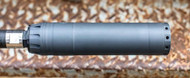
- Suppressors (also called silencers) reduce the sound of a gunshot.
- Short-barreled rifles (SBRs) are rifles with a barrel shorter than 16 inches.
- Short-barreled shotguns (SBSs) are shotguns with a barrel shorter than 18 inches.
- Any other weapons (AOWs) are a catch-all group of certain firearms that do not fit the other categories, such as some pistol-grip shotguns.
What did not change
- Every buyer still passes a background check and fills out a Form 4473.
- People who are prohibited from owning firearms still cannot buy these items.
- Machine guns and destructive devices keep every NFA rule, including ATF approval and the $200 tax.
- State and local laws are unchanged. Some states ban or limit suppressors and short-barreled guns. The ATF letter says dealers still cannot transfer a firearm where state or local law forbids it.
- If you travel across state lines with an SBR or SBS, the ATF letter still points to Form 20. The ATF says it is writing new rules for dealer transfers of these two items.
Is the old paperwork gone?
Not entirely. The ATF says it will keep accepting Form 1, Form 3 and Form 4 applications on a voluntary basis. Whether to file is your choice. If you are unsure, ask a qualified attorney.
What this means when you buy
The biggest change is the wait. The ATF approval step that used to take weeks is no longer required for these items. Background checks and state rules still apply, so check your local laws before you order. We are updating our own ordering steps for these items. Follow the instructions shown at checkout.
Quick questions
Should I talk to my dealer first?
Yes. These changes are brand new, and your dealer may still be updating their process. Contact your dealer before you order. Ask which steps and forms they require, and what your state allows.
Do I still need a tax stamp?
The NFA tax on suppressors, SBRs, SBSs and AOWs is $0, and the ATF no longer requires approval or registration for them. Machine guns and destructive devices are different. The $200 tax and every NFA rule still apply to them.
Does this change apply in every state?
No. This is a federal change. Each state and city sets its own rules, and some of them still restrict or ban these items.
Can I still file the old forms?
Yes. The ATF still accepts Forms 1, 3 and 4 if you choose to use them.
Where can I get legal advice?
This article explains an ATF announcement in plain language. It is not legal advice. Rules can change, so read the ATF's own guidance and talk to a qualified attorney about your situation.
Ready to look around? Browse suppressors, short barrel rifles and short barrel shotguns.